
Buying Freehold Property in Dubai: What Expats Need to Know About Full Ownership
Home
Foreign buyers and overseas investors are now able to obtain full property ownership in two of Dubai’s most high-profile districts, Sheikh Zayed Road and Al Jaddaf, following a recent update announced by the Dubai Land Department.
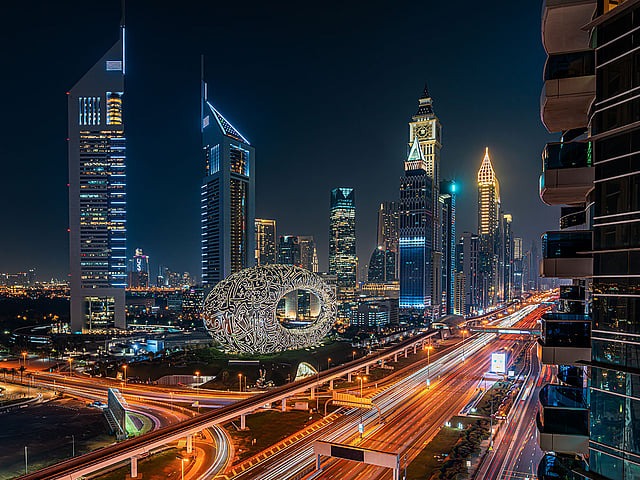
Under the revised framework, property owners of any nationality can convert eligible units in these locations to freehold status, granting them a direct title deed and long-term ownership rights. The move further strengthens Dubai’s position as a global real estate destination and expands access to prime assets for international buyers.
Sheikh Zayed Road remains one of the city’s most desirable addresses, prized for its central location and seamless connectivity to business, retail and lifestyle hubs. Al Jaddaf, meanwhile, has emerged as a fast-growing investment zone, supported by luxury residential projects and its proximity to Dubai Creek and the airport.
As Dubai continues to attract global capital with its infrastructure, investor-friendly regulations and residency pathways, understanding how freehold ownership works — and what buyers should consider — is essential before entering the market.
What freehold ownership means in Dubai Freehold property allows buyers to own both the unit and the land it stands on outright. Owners have full control over their assets and may sell, lease or transfer ownership without time limits, subject to standard regulatory procedures.
This differs from leasehold arrangements, where ownership is limited to a fixed period, commonly up to 99 years, after which rights revert to the landowner. Leasehold properties may also carry restrictions on resale or leasing, depending on the agreement.
In Dubai, freehold homes typically attract stronger buyer interest and are viewed as long-term assets with greater stability. They often command higher market value due to their unrestricted ownership structure and long-term security.
Why freehold homes appeal to overseas buyers Several factors continue to drive international demand for freehold property in Dubai.
One major draw is residency-linked investment options. Property ownership above certain thresholds may qualify investors for long-term residency visas, making personal stays, financial planning and local banking more accessible.
Freehold homes also offer flexibility. Owners are free to rent out units, retain them as long-term investments, or pass them on to future generations, with no expiry on ownership duration.
In addition, Dubai offers multiple residency pathways linked to real estate investment, allowing buyers with different budgets to explore longer-term options beyond traditional employment-based residency.
New and established freehold locations Alongside Sheikh Zayed Road and Al Jaddaf, several established districts remain popular among freehold buyers due to strong rental demand and lifestyle appeal.
Central areas such as Downtown Dubai and Business Bay are known for high-rise living near major landmarks. Waterfront destinations like Dubai Marina, JBR and Palm Jumeirah continue to attract buyers seeking lifestyle-focused investments. Family-oriented villa communities, including Dubai Hills, Arabian Ranches and DAMAC Hills, remain in demand for long-term residential use.
These neighbourhoods offer a wide range of price points, property types and rental potential, making them attractive to both investors and end users.
Payment plans and financing options Dubai offers flexible financing solutions for freehold purchases. Buyers may choose between conventional bank financing, Islamic home finance options, or developer-backed payment plans.
Mortgage options are available to residents, non-residents and expatriates, subject to eligibility criteria such as income verification and credit standing. Loan-to-value limits vary based on property price thresholds.
Developers increasingly offer structured payment plans, including post-handover schedules, allowing buyers to spread payments over time and reduce upfront financial pressure.
Key steps to buying freehold property in Dubai Purchasing property in a freehold zone follows a structured and regulated process.
Buyers should begin by understanding all associated costs, including registration charges, service fees and broker commissions. Budget clarity is essential before committing to any agreement.
Selecting the right location and property type is equally important. Lifestyle needs, accessibility, future infrastructure plans and rental demand should all factor into decision-making.
Working with registered brokers and approved developers helps ensure transparency and compliance. Buyers are advised to verify broker registration with relevant regulatory authorities and ensure all payments are made through official channels.
Finalising the purchase typically involves signing a memorandum outlining sale terms, securing developer approvals where required, and completing ownership transfer through official land registration offices. Once completed, buyers receive a title deed confirming freehold ownership.
For those purchasing directly from developers, the process may be streamlined through reservation forms and formal sale agreements, with timelines varying based on project stage.
A growing opportunity for global investors With expanded freehold access in high-demand districts, Dubai continues to open its real estate market to a broader international audience. For buyers seeking long-term ownership, capital growth potential and regulatory clarity, freehold property remains one of the city’s most compelling investment options.
As always, careful planning, professional guidance and a clear understanding of ownership structures are key to making informed property decisions in Dubai’s evolving market.


