
8 Old-School Paint Colours Designers Say Are Making a Comeback — Add Vintage Charm Without the Dated Look
Home
There's a reason thrift stores are buzzing and grandmacore aesthetics have taken over our feeds—vintage style is back, and it's bigger than ever. But this isn't about recreating a museum piece. The key to pulling off retro charm in today's homes is to take inspiration from the past and style it in a way that feels fresh, modern, and entirely your own.
Whether you're drawn to the optimism of the 1950s, the earthy warmth of the 1970s, or the moody depth of the 1990s, there's a vintage paint shade waiting to transform your space. Here are eight old-school colours that designers are using to bring character and nostalgia into contemporary interiors.
1950s Pretty Pinks
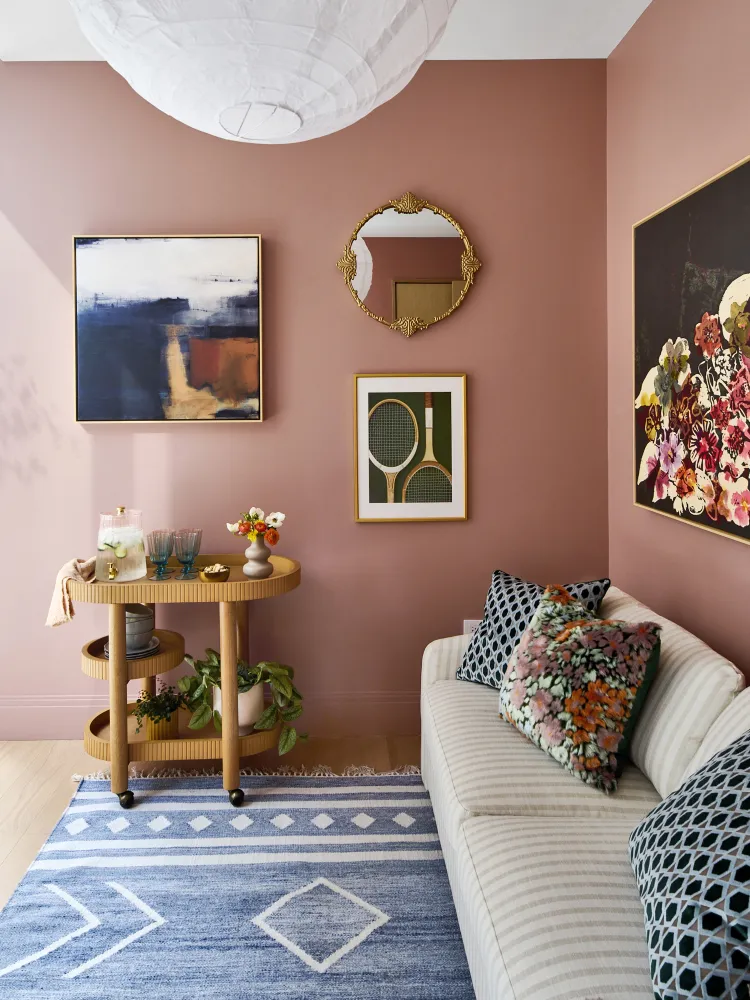
The post-war era embraced soft, optimistic pastels—and pink was the undeniable star. While you might not be ready to commit to a pink bathroom tile revival, a dusty rose or peachy coral on the walls is a sophisticated nod to the decade.
Farm-Fresh Eggs —This dusty pink shade has an understated elegance that feels far removed from bubblegum hues. Paired with crisp brown trim, it strikes a perfect balance between vintage charm and modern refinement.
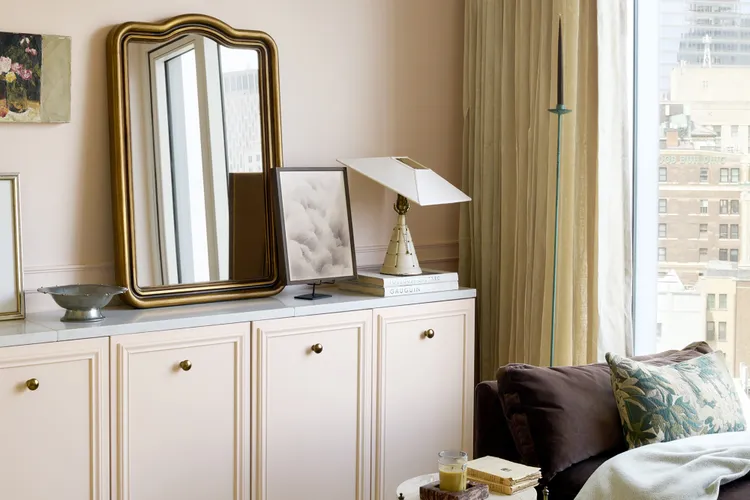
Rosy Sandstone —For those who prefer something sunnier, this bright peachy-coral is bold and uplifting. It bridges the gap between the 1950s pastel craze and the more psychedelic palettes of the 1960s, making it a versatile choice for any room in need of a cheerful lift.
1970s Earth Tones
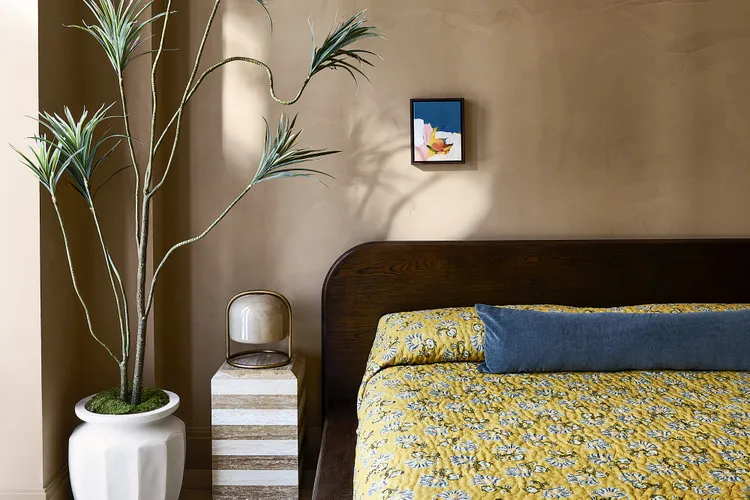
The 1970s were all about nature—think olive greens, warm ochres, and burnt oranges. While avocado-coloured appliances might not be making a comeback just yet, the earthy, grounded hues of the era are finding their way into modern homes in beautifully updated ways.
Crumbling Cork —This bronzed neutral, used here on both walls and trim, evokes the organic, textured aesthetic that defined the decade. It's warm, inviting, and pairs effortlessly with natural materials like wood and stone.
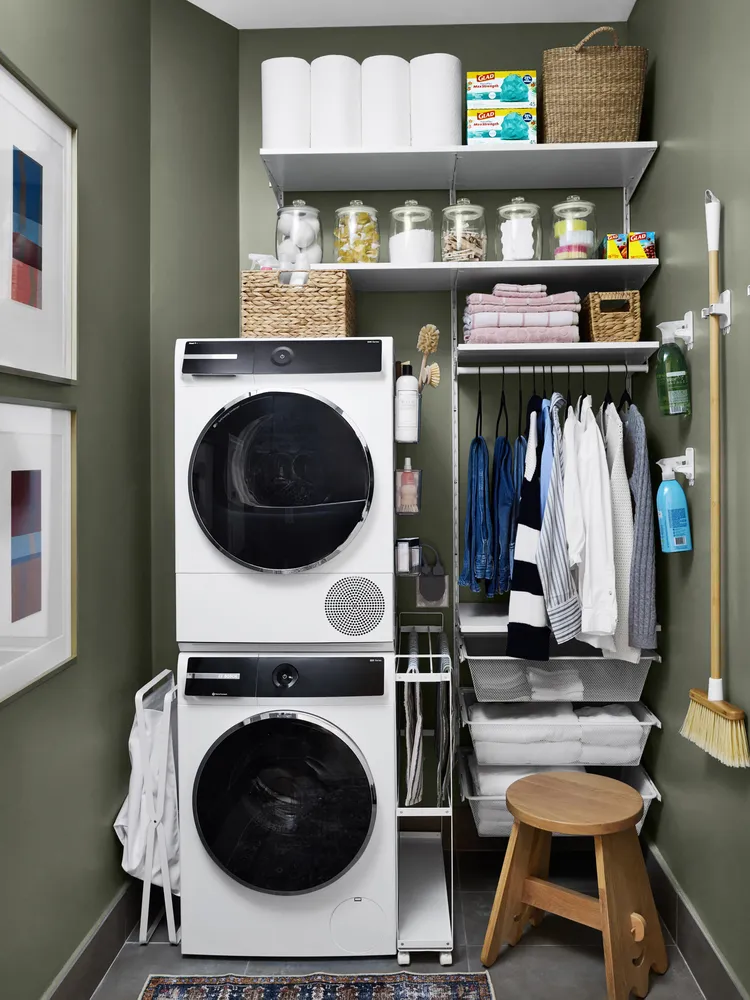
Sweet Clover —A softened take on the olive greens that dominated the 1970s, this sage shade feels both nostalgic and contemporary. Pair it with vintage-inspired furniture and earthy accents for a look that's effortlessly cool.
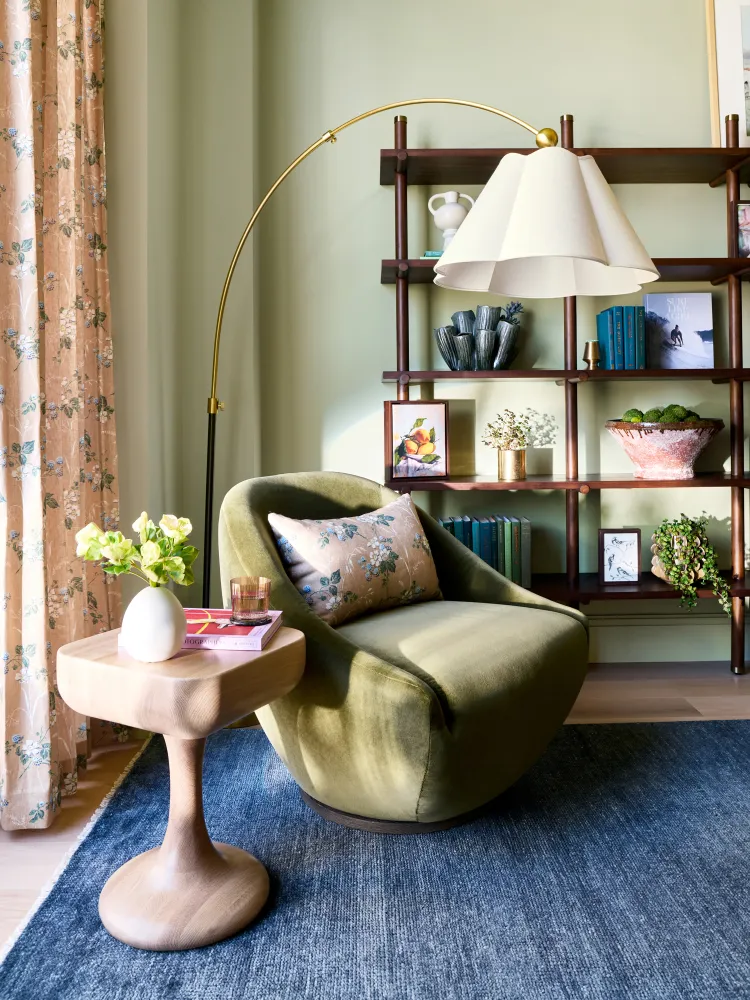
Warm Eucalyptus —Bolder and more silvery than Sweet Clover, this sage green was recently named a Colour of the Year, and it's easy to see why. It brings depth and sophistication to any space, especially when paired with soft almond tones on ceilings and trim.
1990s Moody Hues
After the neon excess of the 1980s, the 1990s dialled things back with muted, slightly grungy versions of classic colours. Today, these moody shades are experiencing a renaissance in both fashion and interiors.
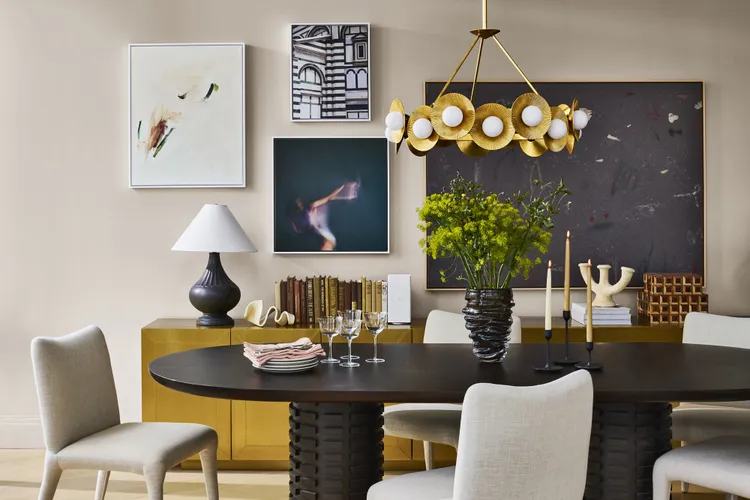
Daybreak —This soft greige (grey-beige) is a neutral that refuses to be boring. It's warm, versatile, and provides a calming backdrop for bolder vintage accents.
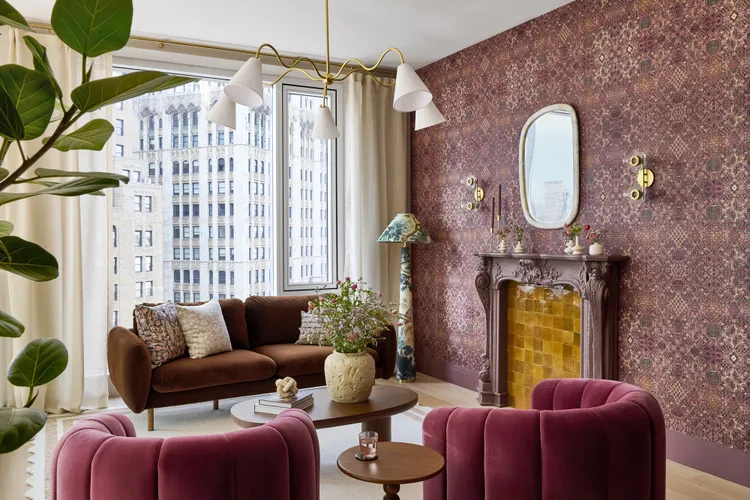
Berry Brandy —Muted burgundy was everywhere in the 1990s—from grunge fashion to cult-favourite nail polishes. This deep, wine-inspired shade adds instant drama and sophistication to walls, fireplaces, or feature panels.
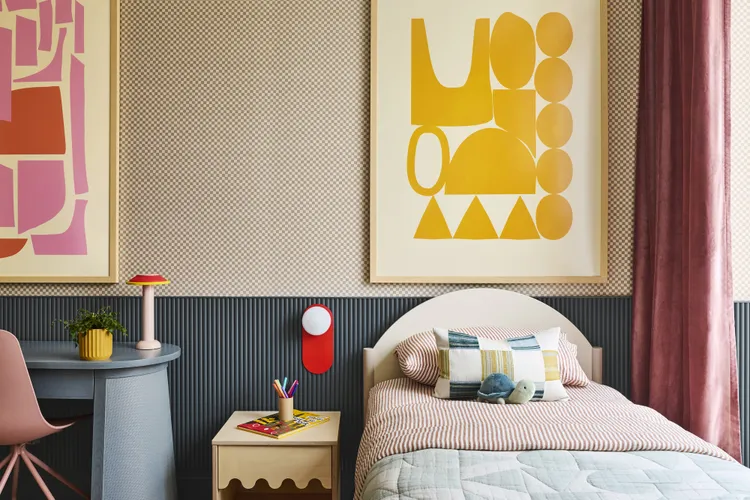
Night View —Moody blues were a hallmark of the decade, especially when paired with darker, dramatic tones. This deep blue works beautifully on panelling, striking that elusive balance between sophistication and playfulness.
How to Style Vintage Colours Without Looking Dated
The secret to making retro paint colours feel modern lies in the styling. Pair them with clean-lined contemporary furniture, mix textures thoughtfully, and don't be afraid to use these hues in unexpected ways—like on a single feature wall, interior doors, or even ceiling details.
Adding personal touches like curated art, natural materials, and layered lighting can also help ground these nostalgic shades in the present.
Final Thought
Vintage paint colours aren't about recreating the past—they're about borrowing the best bits of it and making them your own. Whether you're drawn to the sweet optimism of 1950s pink, the grounding warmth of 1970s sage, or the brooding depth of 1990s burgundy, these eight retro shades prove that what's old can feel wonderfully new again.
After all, good design is timeless—and sometimes, the best way to move forward is to take a little inspiration from where we've been.


